
Cultural Tourism
- Home
- Cultural Tourism
Cultural Tourism in Tanzania
Tanzania is not only famous for its breathtaking wildlife safaris and pristine beaches but also for its incredible cultural diversity. With more than 120 ethnic groups, each with its own language, traditions, music, and lifestyle, Tanzania offers visitors a chance to go beyond the game drives and beaches to experience the heart and soul of its people. Cultural tourism in Tanzania opens doors to vibrant communities, ancient traditions, and authentic encounters that leave lasting impressions.
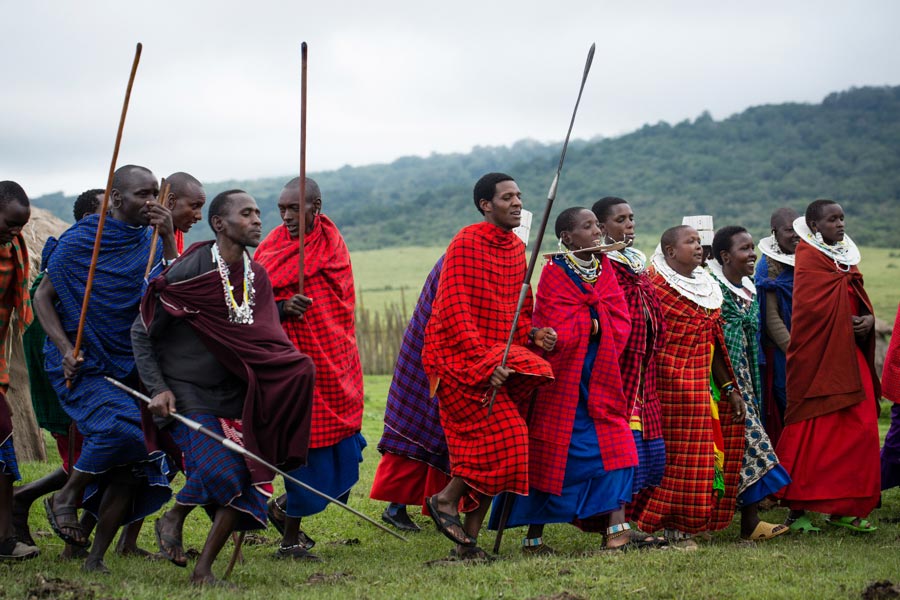
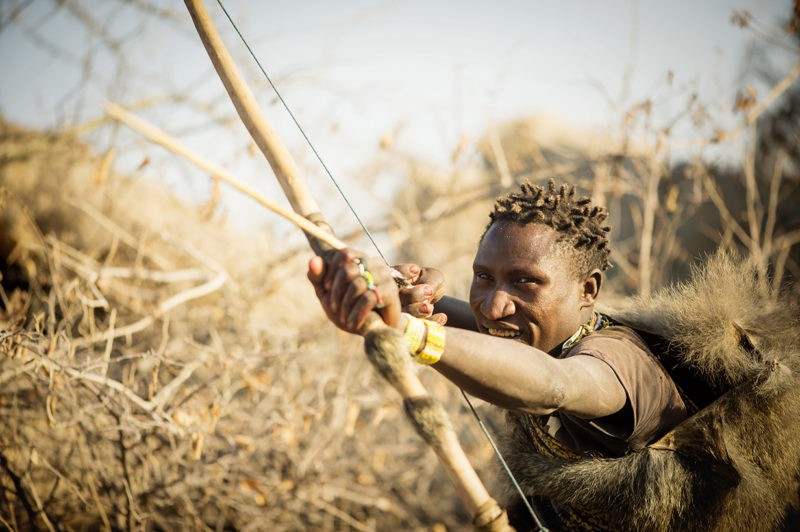
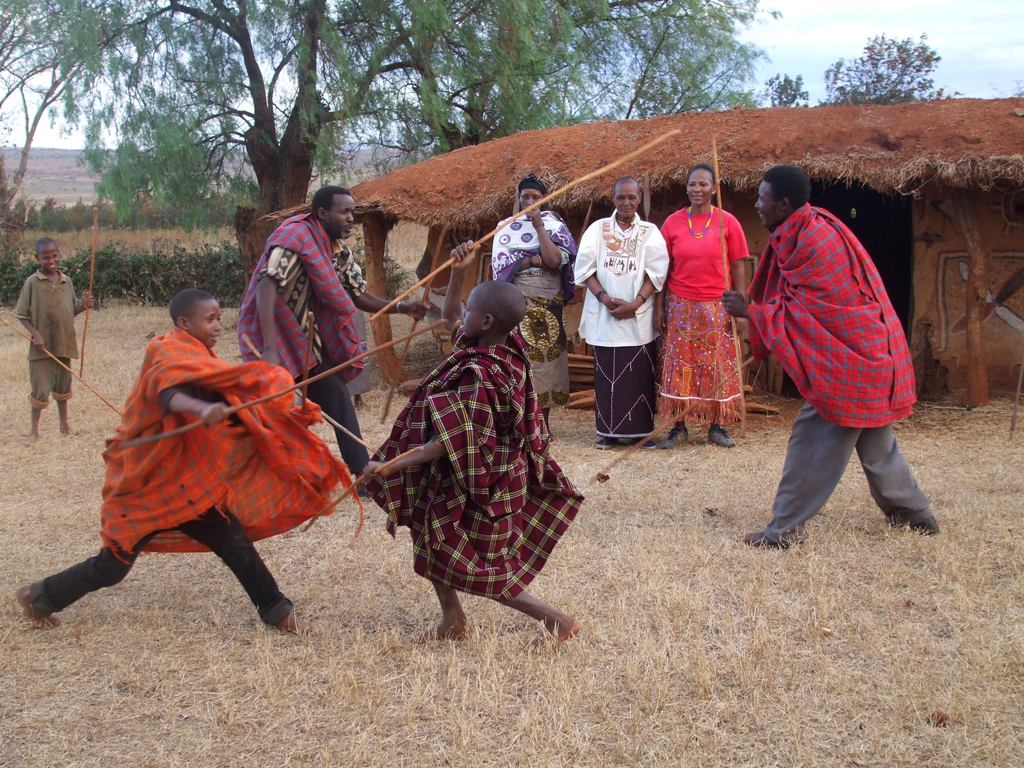
Unlike the fleeting encounters of sightseeing, cultural tourism allows travelers to immerse themselves in the daily lives of local people, share meals, learn customs, and participate in age-old practices that have been passed down through generations. Whether it is dancing with the Maasai in their villages, joining the Hadzabe hunters in their pursuit of game with bows and arrows, or walking through spice farms in Zanzibar, every cultural experience enriches your journey and connects you with Tanzania on a deeper level.
The Maasai Experience
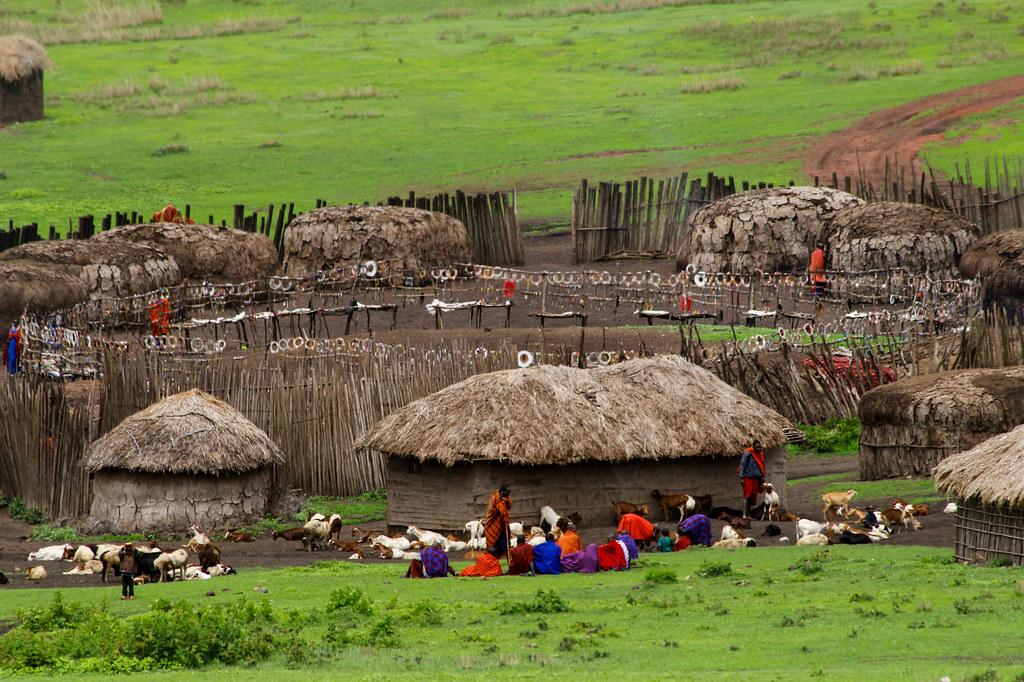
The Maasai people are one of the most iconic tribes in East Africa, known for their vibrant red attire, intricate beadwork, and strong pastoral traditions. Visiting a Maasai boma (village) allows travelers to gain insight into their semi-nomadic lifestyle, where cattle remain central to their existence. You can witness traditional dances, hear stories of Maasai warriors, and even learn how to start a fire without matches. Beyond their famed image, Maasai cultural tours provide visitors with a deeper understanding of resilience, traditions, and the delicate balance of coexisting with wildlife in the savannah.
The Hadzabe and Datoga Tribes
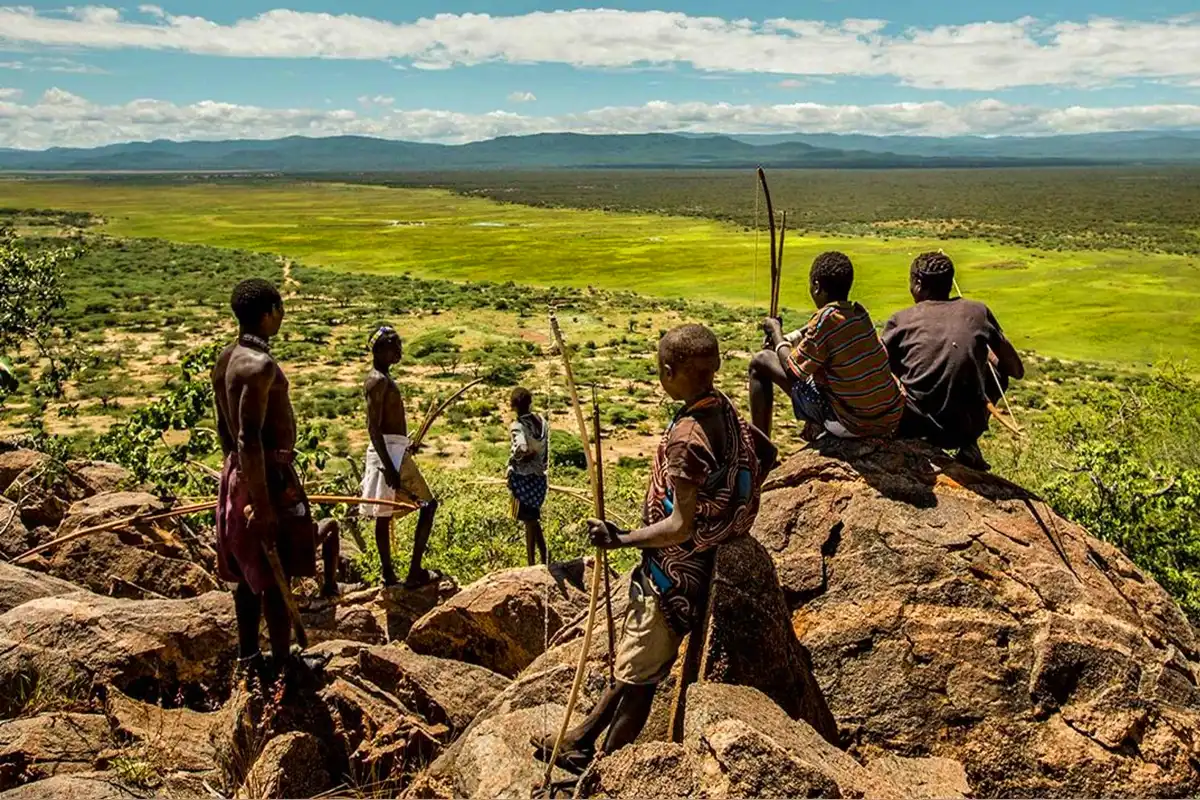
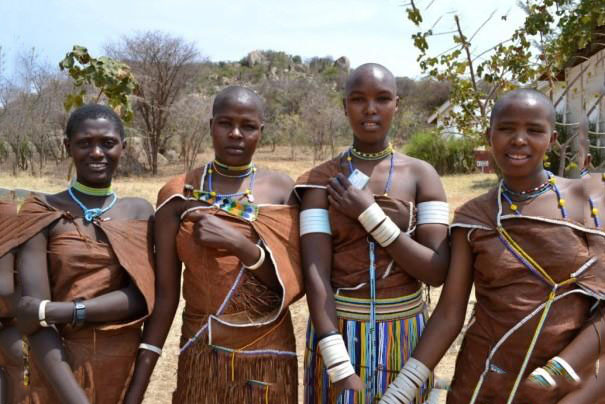
For travelers seeking truly unique cultural encounters, a visit to Lake Eyasi introduces you to the Hadzabe, one of the last remaining hunter-gatherer tribes in Africa. Their way of life has remained unchanged for centuries; they survive by hunting small game, gathering wild honey, and foraging for fruits and roots. Visitors can join them on a morning hunt, experiencing firsthand their extraordinary tracking skills and knowledge of nature. Nearby, the Datoga people, skilled blacksmiths, welcome guests to observe their traditional methods of crafting tools, jewelry, and arrowheads, using techniques handed down through generations.
Chagga Culture on the Slopes of Mount Kilimanjaro
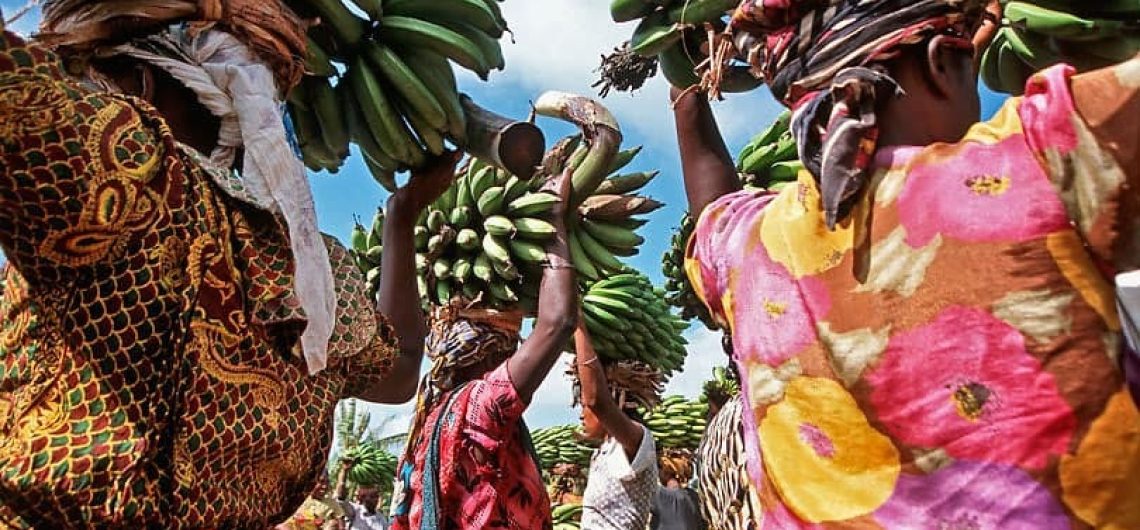
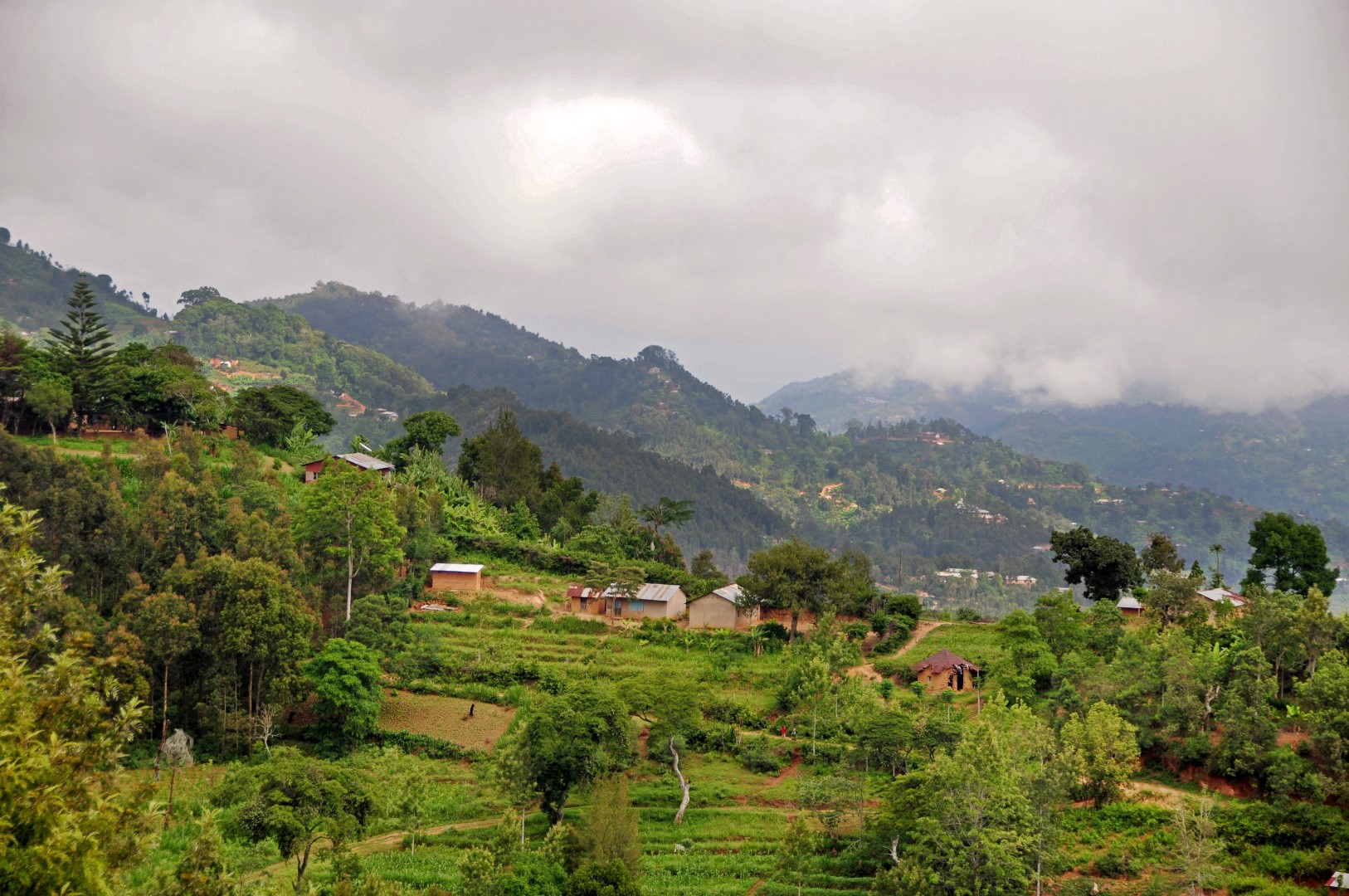
On the fertile slopes of Mount Kilimanjaro, the Chagga people thrive in a lush landscape where coffee and bananas dominate their agriculture. A cultural tour here often includes visits to traditional homesteads, banana beer brewing demonstrations, and trips to coffee plantations where you can learn how coffee is grown, harvested, roasted, and brewed in the traditional way. You may also explore hidden caves once used by the Chagga as hiding places during ancient tribal wars. The combination of history, agriculture, and warm hospitality makes the Chagga cultural experience unforgettable.
Zanzibar’s Spice and Swahili Heritage
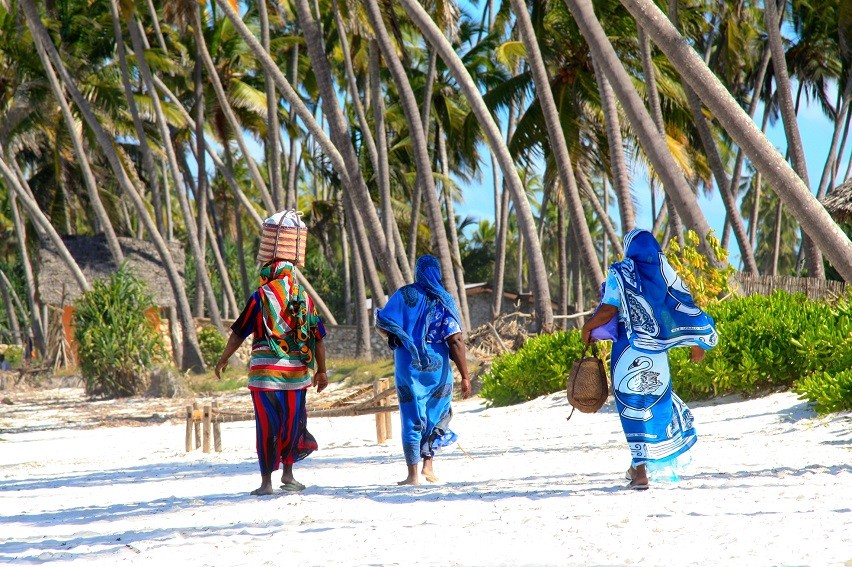
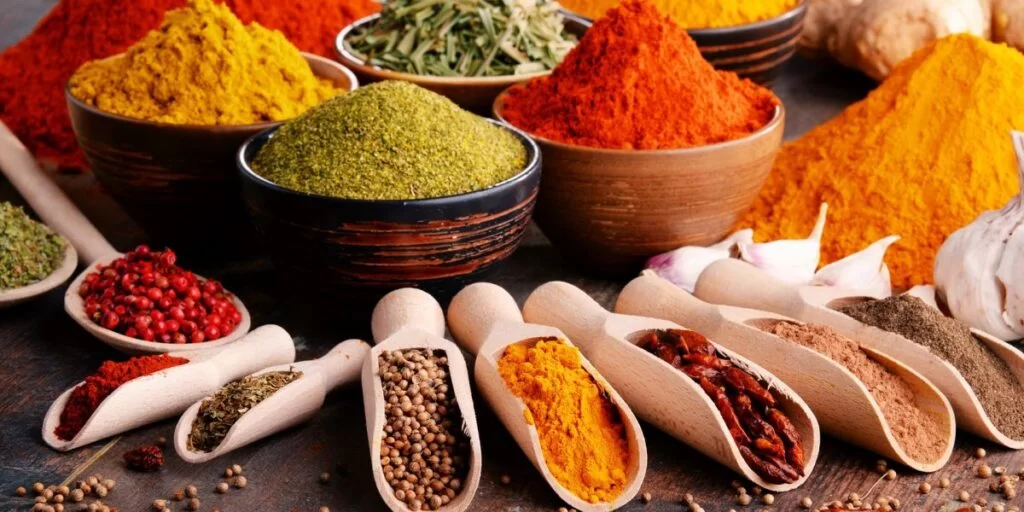
Zanzibar, the “Spice Island,” is a cultural melting pot where African, Arab, Persian, and Indian influences blend harmoniously. A spice farm tour introduces travelers to the island’s aromatic treasures such as cloves, cinnamon, nutmeg, and vanilla, with opportunities to taste and smell fresh spices straight from the plants. In Stone Town, a UNESCO World Heritage Site, narrow alleyways lead to bustling markets, mosques, and historic architecture that reflect centuries of trade and cultural exchange. Exploring Zanzibar’s Swahili culture offers insights into music, cuisine, and traditions shaped by a rich maritime history.
Iraqw People of Karatu
In the highlands of Karatu near Ngorongoro, the Iraqw people welcome visitors to learn about their agricultural lifestyle and ancient traditions. Guests can participate in farming activities, visit traditional homes, and hear stories about Iraqw customs, folklore, and rituals. Their strong sense of community and agricultural knowledge highlight the diversity of Tanzania’s cultural heritage.
Why Choose Cultural Tourism in Tanzania?
Cultural tourism goes beyond sightseeing it fosters connection. It gives travelers an authentic look into Tanzania’s social fabric, while communities benefit directly from tourism revenue. These programs are designed to be sustainable, ensuring that traditions are preserved and local people are empowered economically. For travelers, cultural experiences offer a sense of purpose, a chance to step into another way of life, and memories that last far longer than photographs.
Popular Cultural Tourism Activities in Tanzania
Visit Maasai villages to learn about warrior traditions and pastoral lifestyles
Join Hadzabe tribesmen on a traditional hunt near Lake Eyasi
Explore coffee plantations and Chagga heritage on Mount Kilimanjaro’s slopes
Take spice farm tours and historical walks in Zanzibar’s Stone Town
Experience Iraqw culture in Karatu through farming, crafts, and storytelling
Enjoy traditional dances, food tasting, and handicraft workshops across the country